EAAP36 : European Association for Aviation Psychology
Du 21 au 24 septembre, Samy Chikhi a participé à La Haye (pays-Bas) au congrès de la EAAP (European Association for Aviation Psychology).
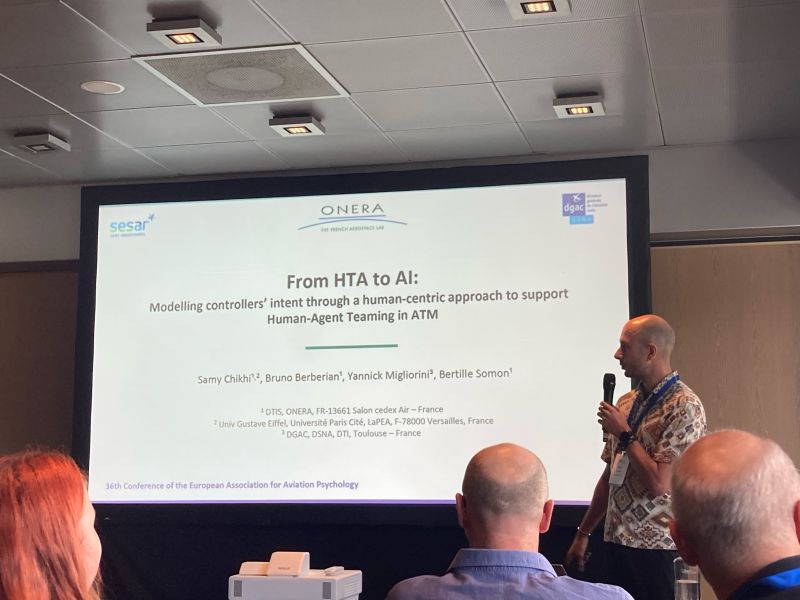
Il a présenté des travaux scientifiques menés dans le cadre du projet DIALOG, portant sur la neuroergonomie et les facteurs humains en aéronautique lors d’une communication intitulée : “From HTA to AI : Modelling controllers’ intent through human-centric approach to support Human-Agent Teaming in ATM”
Résumé :
The introduction of artificial intelligence in complex work environments, such as air traffic management, raises new transparency, acceptability and teaming difficulties in human-system interaction (Xia et al., 2025). While digital assistants are increasingly attributed agentic capabilities (e.g., the ability to set goals, plan action, or make decisions to achieve those goals), considering them as a team member in joint activity remains a challenge (Zhao et al., 2025). Mutual predictability has been proposed as a key prerequisite for effective human-agent teaming (Klien et al., 2004). To date, however, research has largely focused on improving the human operator’s understanding of artificial agents (AA) through transparency and explainability, while the AA’s ability to anticipate human operators’ intentions has received substantially less attention. To address this limitation, this study employs a multi-stage human-centric methodology to model Air Traffic Controllers’ (ATCOs) goals when responding to pilot requests. First, a questionnaire (N = 55 ATCOs) identified three critical use cases where AA would most benefit safety, operational efficiency, and ATCO workload: direct routing, level change, and weather avoidance requests. Second, more than 15 hours of semi-structured interviews (N = 6) were conducted to perform a Hierarchical Task Analysis (HTA) for each use case, which aims to identify what an ATCO is required to do in terms of actions and/or cognitive processes to achieve a system goal (Kirwan and Ainsworth, 1992). HTAs allow activity to be broken down into goals, sub-goals and actions, as well as the plan (order) in which they are performed (Stanton, 2006). Finally, the resulting HTA models were cross-validated through additional ATCO interviews (N = 3) and an online validation survey (N = 21). By mapping out how controllers prioritize their tasks, these task models allow us to design AA that actually understand the operator’s plan. Ultimately, this project aims to use these HTAs to inform a digital assistant with ATCO goals, supporting the anticipation of operator needs and providing relevant information when responding to the selected use cases. Identifying operators’ intents and goals is crucial for Hybrid Human-AI decision making. We will further test this hypothesis in human-in-the-loop simulations with en-route ATCOs.
👏 Félicitations à Samy Chikhi pour cette contribution au sein de la communauté aéronautique européenne !
À lire aussi
Congrès 2026 de la Société d’ergonomie de langue française (SELF)
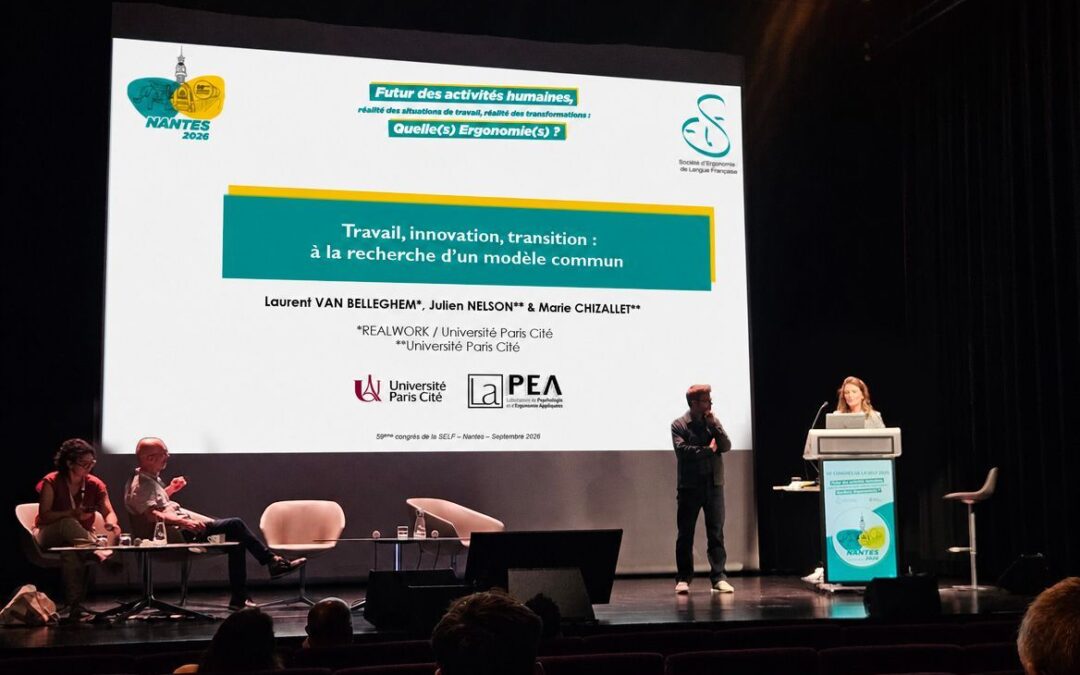
Du 23 au 25 septembre, Marie CHIZALLET et Laurent VAN BELLEGHEM ont participé à Nantes au congrès de la SELF, consacré cette année au thème : "Futur des activités humaines, réalité des situations de travail, réalité des transformations : quelle(s) ergonomie(s) ?"Ils y...
Doctoriales 2026 du LaPEA
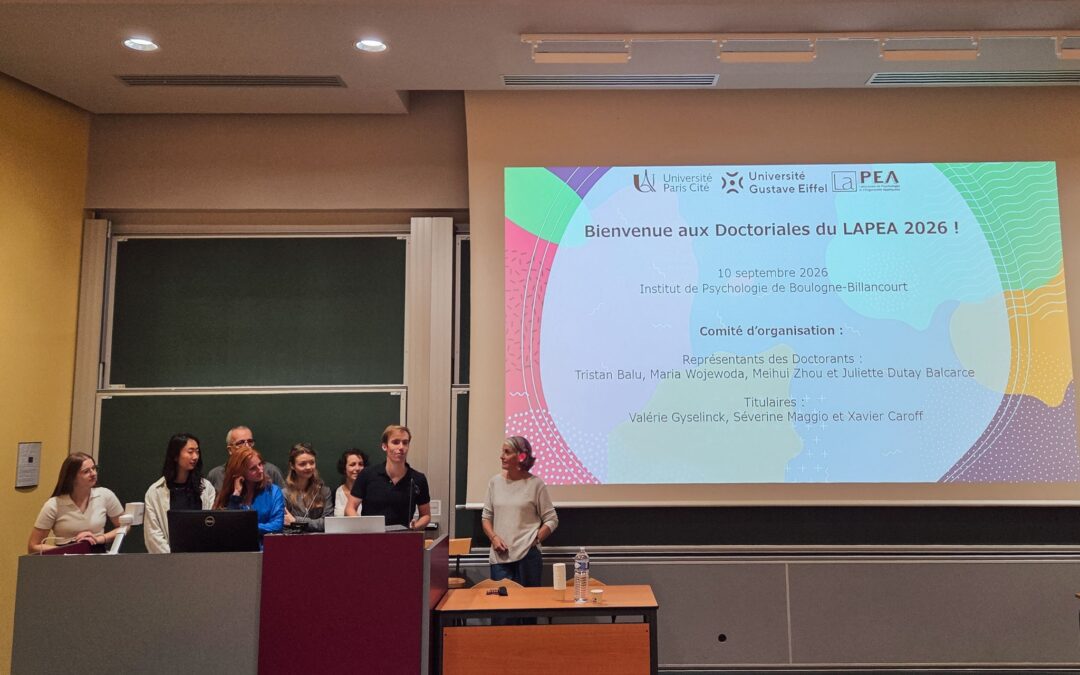
Les Doctoriales du LaPEA 2026 se sont tenues le 10 septembre 2026, de 9h à 17h, à l’Institut de Psychologie de Boulogne-Billancourt.Cet événement s’adresse à l’ensemble des membres du LaPEA. Il offrira, au cours d’une journée scientifique, un cadre privilégié pour...
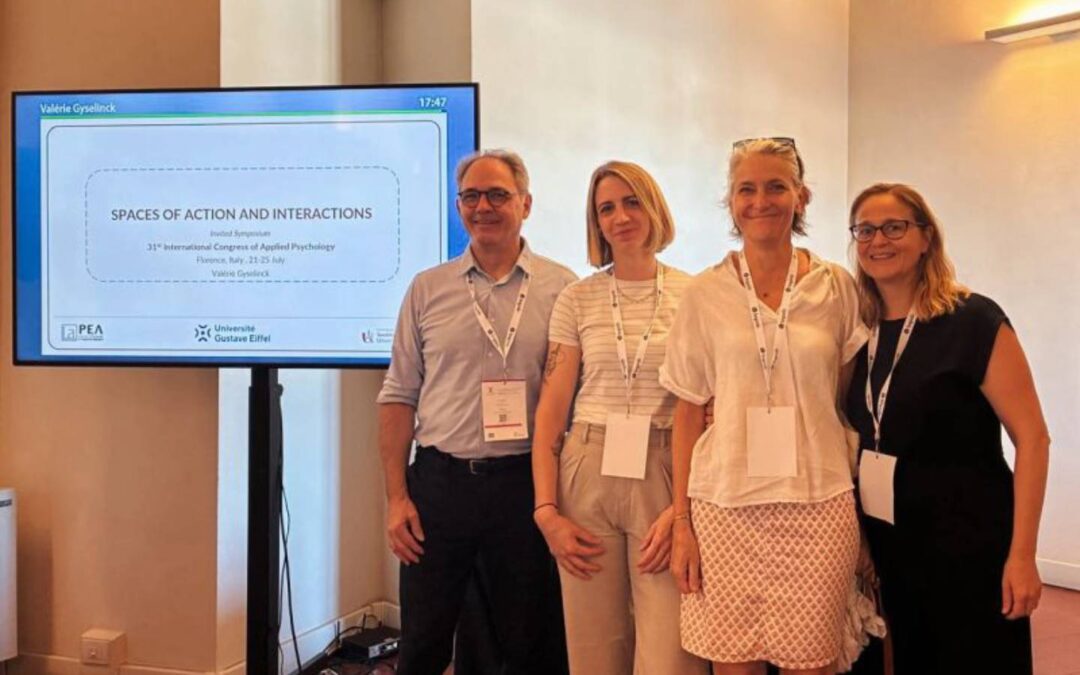
Symposium “Spaces of Action and Interactions” lors de l’International Congress of Applied Psychology (ICAP 2026)
Cet été, Valérie Gyselinck s’est rendue à la 31e édition de l’International Congress of Applied Psychology (ICAP 2026) à Florence, du 21 au 25 juillet. Elle a eu le plaisir d’y organiser un symposium intitulé "Spaces of Action and Interactions", permettant des...
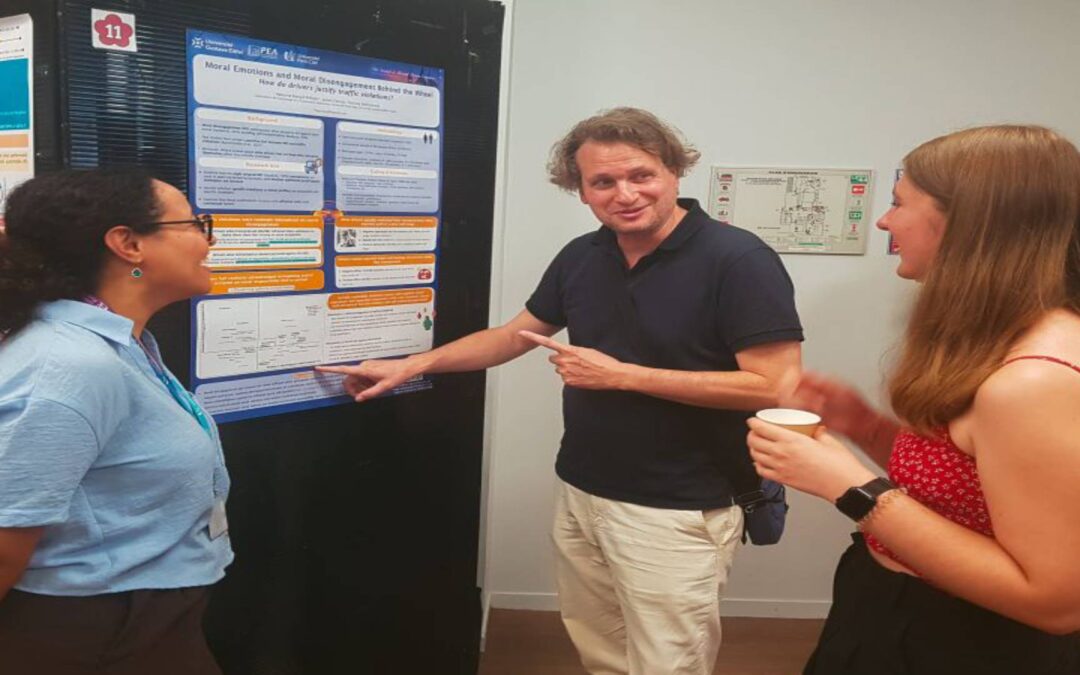
Le LaPEA à la Journée Scientifique de l’Institut de Psychologie
Le 11 juillet dernier se tenait la Journée Scientifique de l'Institut de Psychologie de l'Université Paris Cité. Un rendez-vous qui a permis aux membres de notre laboratoire de partager leurs travaux de recherche dans un cadre stimulant et bienveillant !🎤 Au programme...